Focused arrival windows
Useful updates and clear arrival timing.
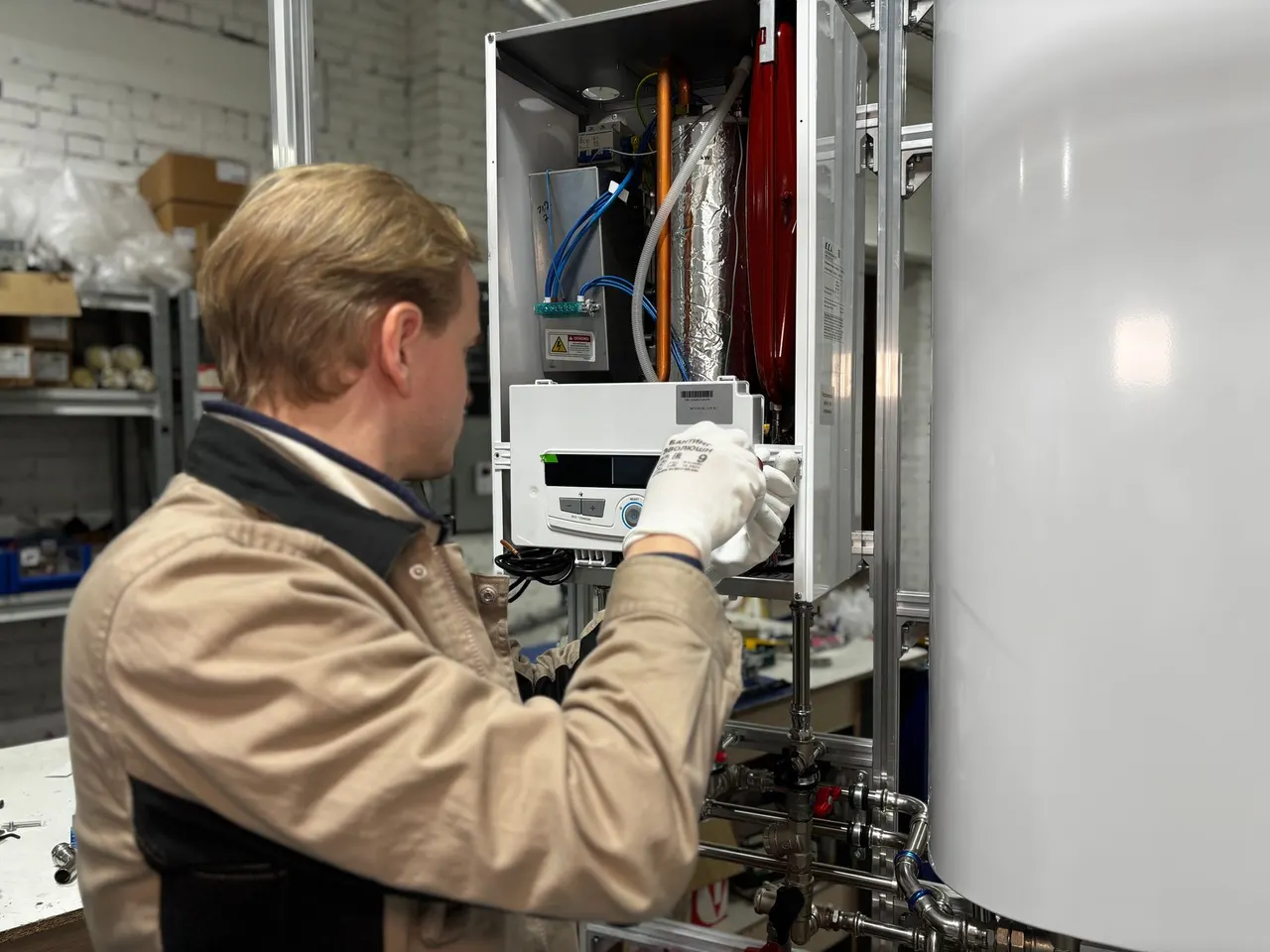
When your tankless unit quits mid-shower, you need tankless water heater replacement Prescott AZ homeowners actually trust. We handle gas and electric swaps, haul away the old unit, and commission the new one the same day. Our techs carry Rinnai, Navien and Rheem parts on the truck, so most jobs wrap in three to five hours. Serving Prescott, AZ and the surrounding 86301, 86303 and 86305 ZIPs.
Useful updates and clear arrival timing.
Review the approach and price before deciding.
Equipped vehicles and respectful cleanup.
Neighbors serving neighbors with follow-through.
Every replacement we do in Prescott includes the items below. If your job needs a gas line upgrade, a relocation or a new vent run, we price that separately and tell you before we start. No surprise line items on the final invoice.
We shut the gas and water, drain the old heater, disconnect the vent, and carry it out. You do not have to haul a 40-pound wall unit to the dump. We also inspect the wall bracket and mounting location for water damage before the new unit goes up.
We install full-port isolation valves and unions on the hot and cold lines. That lets the next service tech flush the unit without draining your whole system. It is a small part that saves an hour of labor on every future descaling visit.
A code-correct vent kit goes in, sized for your run length and unit model. We set manifold pressure with a manometer and adjust for Prescott's 5,400-foot altitude. We also leak-test every gas joint with a detector before we leave.
A new inline water filter protects the heat exchanger from Prescott's hard water. We add flush ports so annual descaling with a descaling pump takes 30 minutes instead of an hour. This one addition is the biggest factor in how long your new unit lasts.
We pull the local plumbing permit and register your manufacturer warranty on the heat exchanger before we leave. You get copies of both. If a warranty claim ever comes up, you have the paperwork and the install record in one place.
Share what is happening and receive a clear next step from the local team.
Tankless water heater replacement Prescott AZ is the removal of a failed or failing on-demand unit and the installation of a new one, including gas line sizing, venting, water connections and commissioning. It is not a repair. When a heat exchanger cracks, a burner assembly rusts through, or an igniter fails for the third time in a year, replacement beats patching. We pull the old unit, inspect the gas valve, flow sensor and pressure relief valve, then set the new heater on a fresh isolation kit so the next service is a 20-minute job, not a full teardown.
Prescott sits at 5,400 feet, and that altitude changes how a tankless heater behaves. Thin air means the burner needs a different gas orifice, and winter lows in the teens can freeze a condensate line overnight. We see this constantly in Downtown Prescott and Yavapai Hills, where older homes still run undersized gas lines. If you are searching for tankless water heater replacement near me Prescott AZ, we cover the whole town and most of Yavapai County. Scale buildup from hard water is the other big killer here, and it usually shows up as error codes before the unit dies completely.
We ask for the model number, the error code, and how old the unit is. That tells us whether you need a repair or a full swap before we roll a truck. If it is a 12-year-old Rheem throwing flame failure codes, we quote replacement. If it is a two-year-old Navien with a dirty filter, we may fix it on site. Takes about 10 minutes.
A licensed plumber checks gas pressure with a manometer, water pressure with a gauge, and venting for blockage. We test the igniter, thermistor and flow sensor with a multimeter. You get a written price before any work starts. Most diagnostics run 45 to 60 minutes, and we waive the fee when you approve the replacement.
We match the new heater to your fixture count and gas line size. A three-bath Prescott home usually needs 9 to 11 GPM. We stock Rinnai, Navien, Rheem, Noritz and Bosch units on the truck, so you are not waiting a week for a special order. If you want a thermostatic mixing valve for scald protection, we install it here.
We shut the gas, drain the old unit, and pull it out. New isolation valves, O-rings, gaskets and a vent kit go in. We pressure-test every joint, check for gas leaks with a detector, and set the outlet temperature. A straight swap takes three to five hours. A relocation or gas line upgrade adds a day.
We fire the unit, watch it hold temperature for 15 minutes, and confirm no short cycling. You get a walkthrough on the controller, the filter cleaning schedule, and the descaling interval. We register the warranty before we leave. If anything acts up in the first 30 days, we come back at no charge.
Measures gas manifold pressure so we can set the burner correctly for Prescott's 5,400-foot altitude. A unit set to sea-level specs runs rich and soots up the heat exchanger within a couple of seasons.
Circulates descaling solution through the heat exchanger to dissolve calcium and magnesium. We use it on every maintenance visit and recommend it annually for any home on hard water.
Sniffs every gas joint after we reconnect the supply. We also use it on the gas valve and manifold connections before we fire the unit for the first time.
Tests the igniter, thermistor, flow sensor and control board during diagnosis. It tells us whether a no-hot-water call is a $200 repair or a replacement.
Checks incoming pressure and expansion tank behavior. High pressure wears out O-rings and gaskets fast, so we correct it before it damages the new unit.
For water connections and scald protection. A mixing valve holds outlet temperature steady when flow changes, which fixes most cold water sandwich complaints.
We adjust the gas orifice and manifold pressure for 5,400 feet, then verify with a manometer. This is the single biggest difference between a unit that lasts 15 years here and one that fails in three.
We follow Rinnai and Navien factory venting and clearances to the letter. That keeps the heat exchanger warranty intact and passes local inspection without a callback.
We file the local plumbing permit before the install, not after. Inspectors in Yavapai County want to see gas sizing, vent termination and pressure relief valve routing. We document all three.
We set every customer up on a yearly flush with a descaling pump and solution. Prescott water is hard enough that skipping this cuts heat exchanger life by half. It is the cheapest insurance you can buy for a tankless unit.
We treat holiday-week no-hot-water calls as priority. We diagnose, confirm the unit is beyond repair, and pull a same-size Rinnai or Navien from truck stock. Permit gets filed the same day and the install finishes in one visit. Hot water restored before guests arrive, with a new 10-year heat exchanger warranty and a permit on record.
We pull the correct permit, correct the venting and gas line sizing to current code, and either certify the existing unit or replace it if it fails inspection. We provide documentation for the closing file. A clean inspection report and a permitted install that does not stall the sale.
We descale and test first. If the heat exchanger is too far gone, we replace the unit and add a larger water filter plus flush ports. We set the homeowner up on an annual descaling schedule with a flush kit. Steady hot water, no short cycling, and a maintenance plan that protects the new heat exchanger.
We measure flow demand and incoming water temperature, then replace the undersized 7 GPM unit with a 10 to 11 GPM condensing model. We verify the gas line can carry the load and upsize if needed. Two showers and the dishwasher at once, with no temperature drop and lower standby losses.
Prescott's 5,400-foot elevation is the first thing we account for on every tankless water heater installation Prescott AZ job. Burners need altitude-specific gas orifices and manifold pressure settings, and we verify both with a manometer before we leave. Winter here drops into the teens, so we insulate condensate lines and check vent termination for freeze risk. Many homes in Downtown Prescott and Hassayampa were built in the 1980s and 1990s with 1/2-inch gas lines that cannot feed a modern 10 GPM condensing unit, so upsizing to 3/4-inch is a common add-on. Hard water is the other local factor. If you are on a well in Williamson Valley, expect heavier scale and plan on a larger water filter plus annual descaling. We pull a local plumbing permit on every replacement and follow current Arizona venting and gas sizing rules. Whether you need best tankless water heater replacement Prescott has to offer or just a fair, code-correct install, we quote the whole job up front and stand behind the work.
Older homes near the courthouse square often have undersized gas lines and tight venting runs. We scope the gas supply before quoting so there are no surprises on install day.
Elevated lots here see colder overnight temps and more freeze risk on condensate lines. We insulate and slope drain lines on every install in this area.
Larger homes with three or more baths usually need 10 to 11 GPM units. We check fixture count and gas capacity before recommending a model.
A mix of older and newer builds. We see plenty of unpermitted prior installs here, so we check venting and gas sizing carefully and correct what we find.
Well water dominates out here. Higher mineral content means bigger water filters and a firm annual descaling schedule to protect the heat exchanger.
Gas orifices and manifold pressure must be set for altitude. A unit left at sea-level specs runs rich, soots the heat exchanger and fails early. We adjust and verify with a manometer on every install.
Calcium and magnesium clog the heat exchanger and trigger error codes. We install a water filter and flush ports, then recommend annual descaling to keep flow rates and efficiency where they should be.
Condensate lines and exposed piping can freeze overnight. We insulate drain lines, slope them correctly and check vent termination so the unit keeps running through a cold snap.
Many Prescott builds from the 1980s and 1990s cannot supply enough gas for a modern condensing unit. Upsizing to 3/4-inch is often needed, and we price it before the install starts.
A 14-year-old Rheem in Downtown Prescott threw repeated flame failure codes. The heat exchanger was cracked and the burner assembly was rusted through. The family of four was showering cold and heating water on the stove.
We pulled the old unit, installed a 9 GPM Navien with new isolation valves and a code-correct vent kit, and set manifold pressure for altitude. Hot water was running by mid-afternoon. Their first full month showed about $18 less gas use.
Maintenance: We set them up on annual descaling and a water filter change every 12 months. That schedule keeps the heat exchanger clean and protects the 15-year warranty.
A 7 GPM unit could not keep up with two showers and a dishwasher in a five-person household. The family dealt with a cold water sandwich every morning and had already paid for two repairs in 18 months.
We upsized to a 10 GPM Rinnai, verified the gas line could carry the load, and added a thermostatic mixing valve. Now two showers and the dishwasher run at once with no temperature drop. Install took four hours.
Maintenance: Annual descaling plus a filter swap keeps flow rates steady. We also check the mixing valve setting each visit to confirm outlet temperature stays in range.
A five-year-old Bosch on well water had scaled solid and was short cycling. The heat exchanger was clogged, flow was restricted, and the unit cycled on and off every few minutes. Repairs were no longer worth the money.
We replaced it with a Noritz unit, added a larger inline water filter and flush ports, and tested flow at every fixture. Short cycling stopped immediately. The homeowner now gets consistent hot water and a unit that should last well past 10 years.
Maintenance: We put them on a firm annual descaling schedule with a flush kit and descaling solution. Well water here demands it, and the filter gets changed every 12 months.
Some failures are worth repairing. Others mean the unit is done. Here are the calls we get most often in Prescott, and how we handle each one.
You are showering cold or boiling water on the stove. If the unit is over 12 years old and shows no power or ignition, the control board or heat exchanger has failed. Patching it rarely lasts a season. We test power, gas pressure and the igniter with a multimeter. If the heat exchanger or control board is gone, we quote a replacement on the spot and can often install the same day from truck stock. You get hot water back before bedtime.
The shower goes hot-cold-hot every time another fixture runs. That points to a failing flow sensor or an undersized unit. It gets worse over time and can scald if the mixing valve fails. We measure flow rate and incoming water temperature, then check the flow sensor and thermistor. If the unit is undersized, we replace it with a correctly sized model and add a thermostatic mixing valve to hold outlet temperature steady.
Codes like 11, 12 or 16 mean ignition failure, flame failure or vent blockage. Clearing the code buys you a week. The underlying cause, usually scale buildup or a cracked heat exchanger, stays put. We descale and inspect first. If the heat exchanger is compromised or the venting is wrong for the unit, replacement is the honest answer. We install a new unit with a proper vent kit and a water filter so the codes do not return.
A puddle under a wall-mounted heater means a failed O-ring, gasket or cracked heat exchanger. Left alone, it rots the drywall and can short the electronics. This is a shut-it-down-and-call situation. We shut the water and gas, open the cabinet, and find the source. If it is an O-ring or gasket, we may repair it. If the heat exchanger is cracked, we replace the unit and check the pressure relief valve and venting while we are in there.
Most replacements run $1,800 to $3,800 installed, depending on unit size, venting and whether the gas line needs upsizing. A straight 8 GPM swap in a home with an existing 3/4-inch gas line sits near the low end. Relocating the unit or adding a thermostatic mixing valve pushes toward the top. We quote the full job before we start, and the price includes the permit, haul-away and warranty registration.
A standard swap takes three to five hours from arrival to hot water. That covers removal, new isolation valves, venting, gas pressure checks and commissioning. If we have to upsize the gas line or relocate the vent, plan on a full day. We schedule most Prescott jobs in a single visit and test the unit for 15 minutes before we call it done.
Replace it if the unit is over 12 years old, if the heat exchanger is cracked, or if you have paid for two repairs in two years. Repair makes sense for a clogged water filter, a dirty flame rod or a failed thermistor on a unit under 10 years old. We give you both numbers on site and let you decide, no pressure either way.
Count your fixtures. A one-bath home needs 6 to 7 GPM. Two baths with a dishwasher and laundry calls for 8 to 9 GPM. Three or more baths, or a household of five, needs 10 to 11 GPM. Altitude matters too: at 5,400 feet, we derate capacity about 4 percent, so we size up slightly. We measure your incoming water temperature before recommending a model.
Not seeing your question? Our local team can help you understand urgency, scheduling and what to expect.
Ask the local teamNew build or first-time switch from a tank? We run the gas line, vent through the roof or wall, and commission the unit. Most Prescott installations take one to two days, and we handle the permit and inspection. This is the same crew that does our replacements, so the workmanship standard is identical.
View service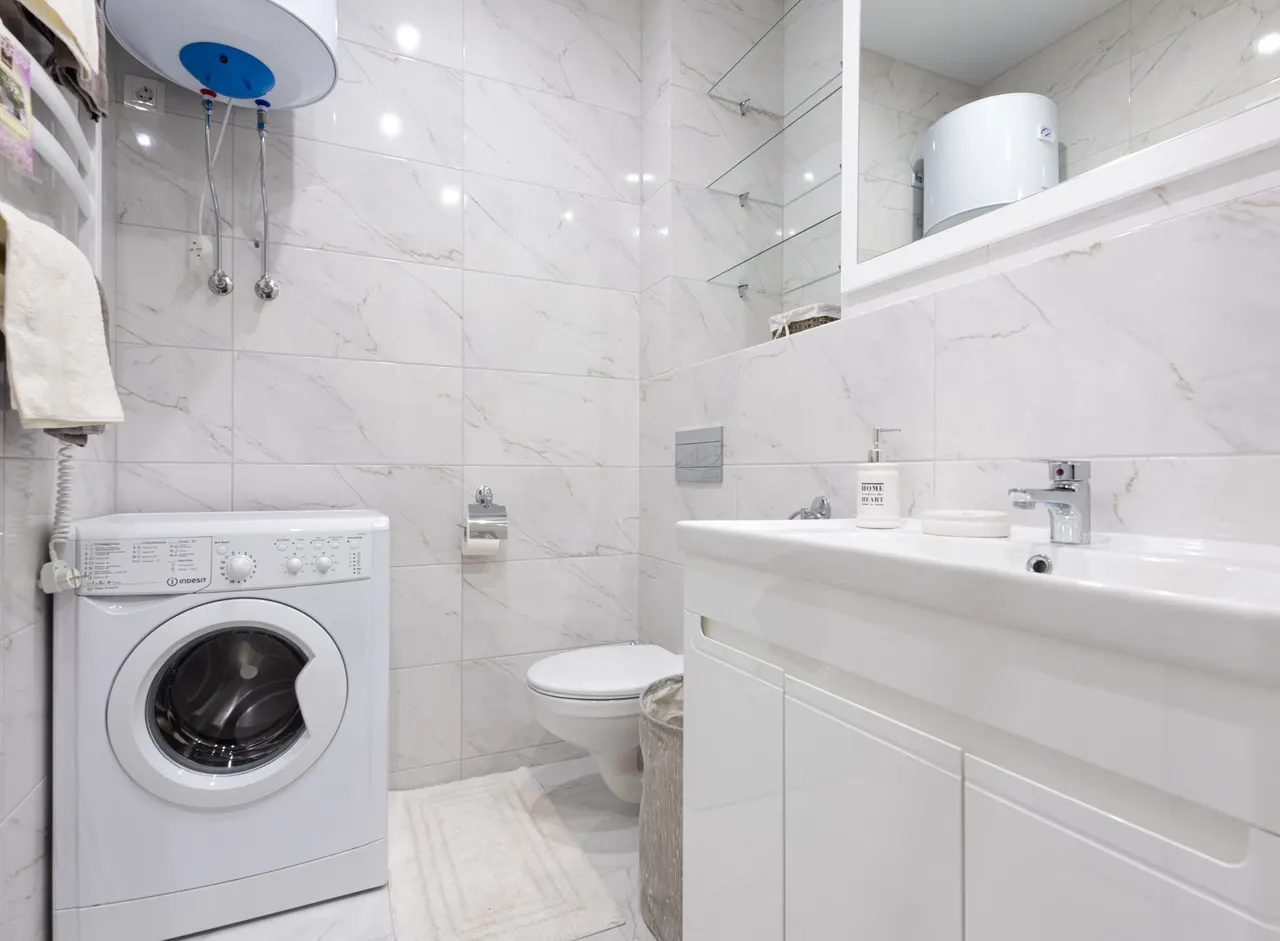
Annual descaling with a flush kit and descaling solution keeps your heat exchanger clean and your warranty valid. Prescott's hard water makes this non-optional. We also swap the water filter, check the igniter and thermistor, and test gas pressure. A $150 to $250 service visit can add years to a unit.
View service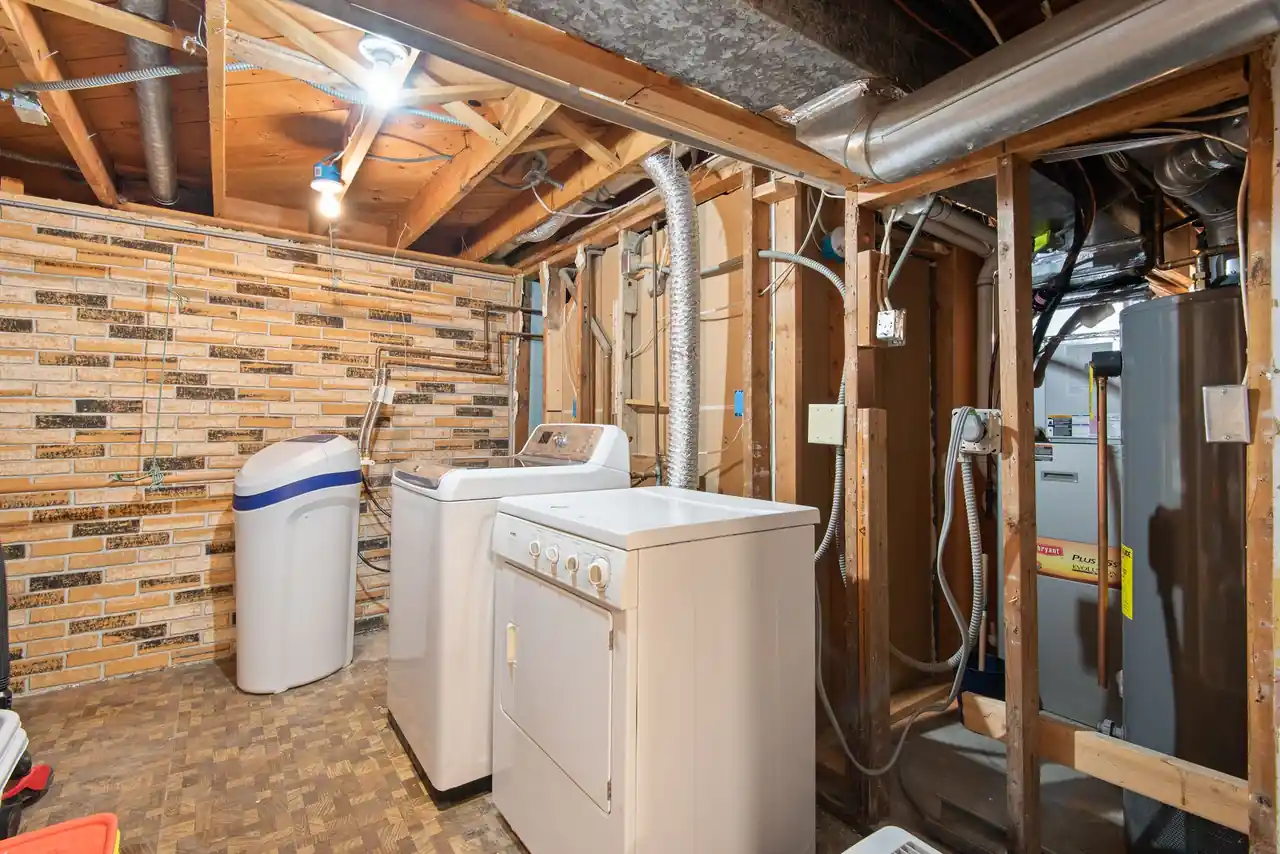
Call us at +1 (321) 497-8646 or send a message and we will get back to you fast. We answer the phone during business hours and keep the emergency line open 24/7 for no-hot-water calls. Most Prescott jobs get a same-day window, and we confirm your appointment before we head out.