Focused arrival windows
Useful updates and clear arrival timing.
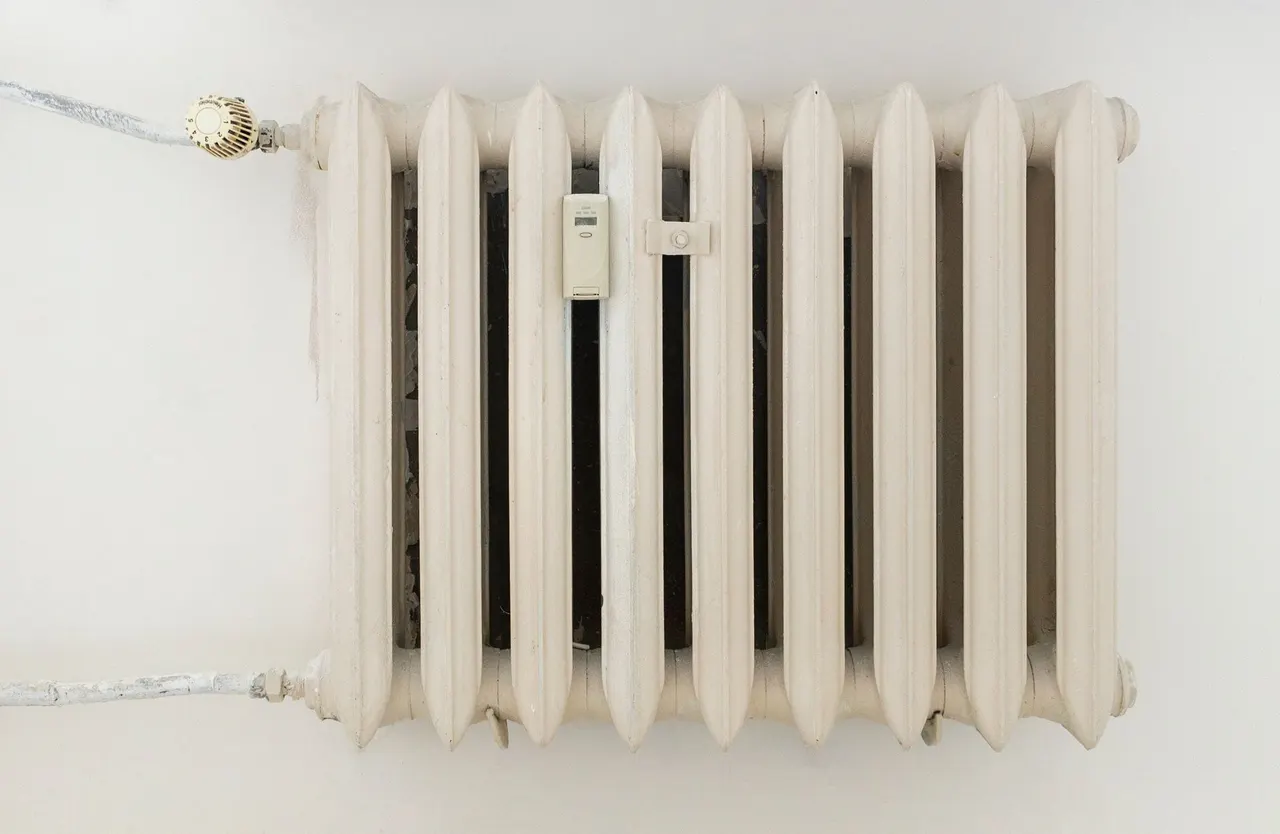
Tankless water heater repair in Hassayampa means dealing with well water, cold snaps and older plumbing, not a big-city call center. We run descaling pumps, swap flow sensors and thermistors, and clear error codes on Rinnai, Navien, Rheem and Noritz units from Hassayampa Road to Pioneer Parkway. One visit, upfront pricing, hot water back the same day.
Useful updates and clear arrival timing.
Review the approach and price before deciding.
Equipped vehicles and respectful cleanup.
Neighbors serving neighbors with follow-through.
Tankless water heater repair in Hassayampa is a different job than in central Prescott. Most homes out here run on private wells, and that water carries dissolved calcium and magnesium that coats heat exchangers and clogs flow sensors. Add winter lows that dip below freezing and you get frozen condensate lines, cracked O-rings and ignition failures on cold mornings. We have worked this area since 2025, and we know the difference between a scale problem on Hassayampa Road and a gas supply issue near Pioneer Parkway. Our trucks carry descaling pumps, flush kits, multimeters, manometers and gas leak detectors, so we diagnose and fix in one trip. Whether you need tankless water heater repair Hassayampa homeowners trust for weekend emergencies or a scheduled tankless water heater service Hassayampa AZ property managers book every fall, we show up when we say we will and leave with your hot water running.
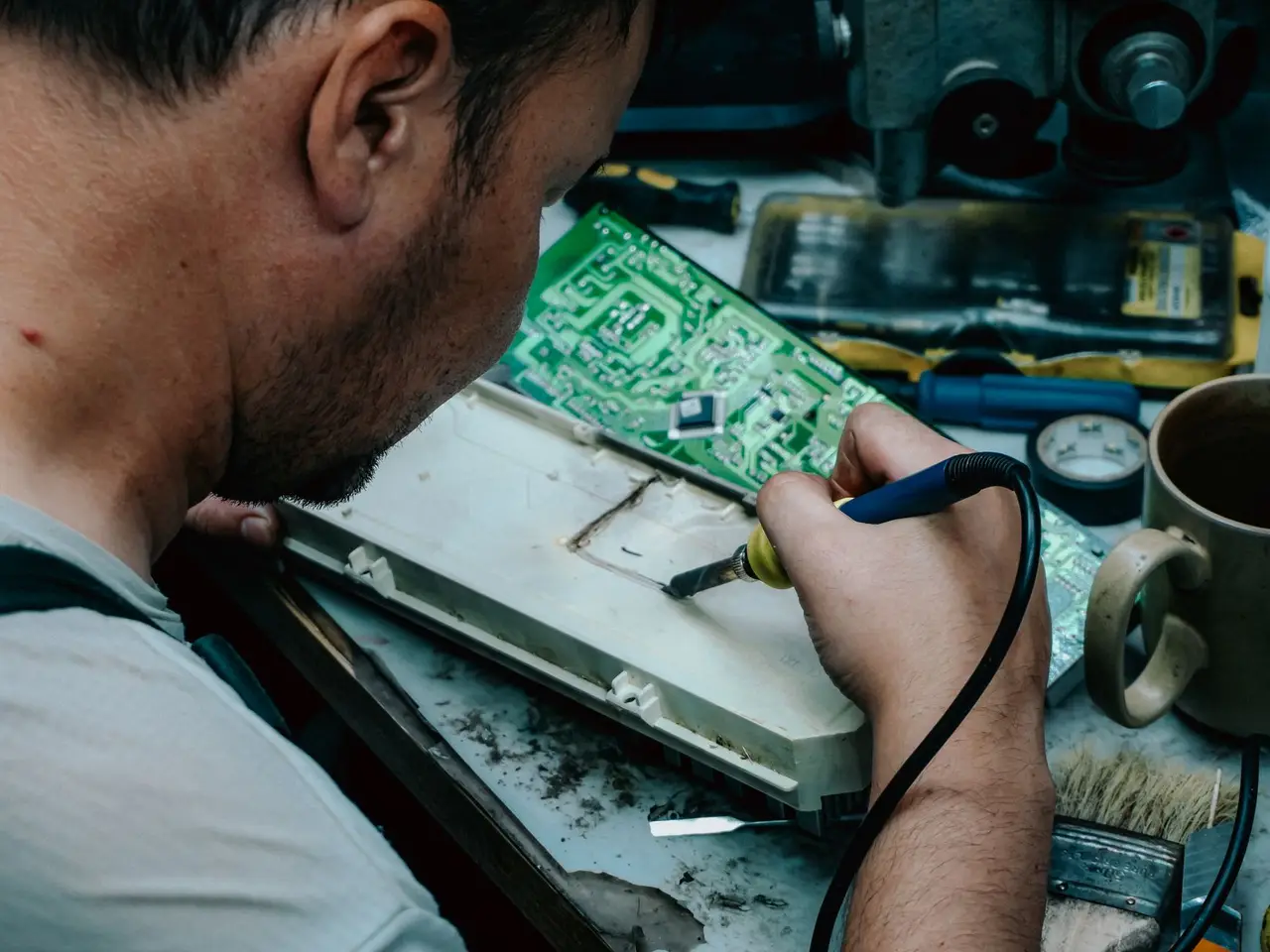
Hassayampa tankless water heater repair calls fall into three buckets: scale and sensor failures from well water, freeze damage in winter, and full replacements when a 12-year-old unit finally quits. If you have been searching for tankless water heater repair in Hassayampa near me and getting nothing but Phoenix call centers, we are the local crew that actually drives out here. We handle installation, maintenance and replacement on Rinnai, Navien, Rheem, Bosch, Noritz, Takagi, AO Smith and Bradford White units.
New tankless installation in Hassayampa means sizing for well water first. We test your hardness, set the thermostatic mixing valve, and run a proper vent kit through the wall or roof. On large lots off Old Hassayampa Road, we often add a water filter ahead of the unit to cut scale. Permits and code-correct gas lines are handled before we hang the heater.
View service →02Annual maintenance is the single best thing you can do for a tankless unit on Hassayampa well water. We run a descaling pump with manufacturer-approved descaling solution through the heat exchanger, inspect O-rings and gaskets, test the pressure relief valve, and check the igniter and burner assembly. Most Hassayampa units need it every 12 months, not the 18 to 24 months city water allows.
View service →03When a Hassayampa tankless unit hits 12 to 15 years or the heat exchanger leaks, replacement beats repair. We match the new unit to your well water chemistry and household demand, reuse existing venting where code allows, and haul the old unit away. Same-day swap is common when the unit is accessible and the gas line is already sized correctly.
View service →Every Hassayampa tankless water heater repair starts with a water test and a gas pressure check, because guessing costs you a second visit. We use a manometer on the gas valve inlet, a multimeter on the igniter and thermistor circuits, and a water pressure gauge to rule out low water pressure from a failing well pump. On rural properties along Hassayampa Valley area roads, we plan for long hose runs and bring our own water for flush jobs. Winter calls get priority: a frozen condensate line at 2 a.m. is an emergency tankless water heater repair Hassayampa AZ homeowners should not wait on. If you need affordable tankless water heater repair in Hassayampa without a Phoenix trip charge, we quote the job before we start and stick to it.
Scale builds on the heat exchanger and narrows the flow sensor passage, which triggers error codes and short cycling. Units that would last 20 years on city water often need descaling every 10 to 12 months out here. We test hardness on arrival, run a descaling pump with descaling solution through the heat exchanger, and recommend a whole-house water filter ahead of the unit. For heavy scale, we pull the flow sensor and clean or replace it the same visit.
Overnight lows below freezing crack O-rings, freeze condensate lines and split pressure relief valve seats. We see a spike in no-hot-water calls after the first hard freeze each November. We insulate exposed lines, verify the vent kit is pitched correctly so condensate drains, and check the freeze protection settings on Navien and Rinnai units. If a line is already frozen, we thaw it safely and pressure-test before restarting.
Homes near Hassayampa Elementary School and Rodeo Drive were built across several decades, so pipe sizing, venting and gas line capacity vary house to house. A unit that fits one home may be undersized next door. We measure gas line size and static pressure before recommending any replacement. If the existing line is undersized, we upsize it or derate the unit so it runs within spec instead of short cycling.
Most tankless replacements in unincorporated Hassayampa require a permit and inspection. We pull it, schedule the inspection, and make sure the vent termination and gas connection pass on the first look.
If your system includes a heat pump component, refrigerant work must be done by an EPA Section 608 certified technician. Our techs carry that certification, so you are not waiting on a second contractor.
Hassayampa tankless water heater repair is shaped by three local realities: well water with high mineral content, cold winters and freeze risk, and older homes with varied plumbing. Those three factors drive almost every call we run out here. Here is what we see most and how we handle it.
Private wells in the Hassayampa Valley area carry dissolved calcium and magnesium. Every heating cycle deposits a thin layer on the exchanger, and the flow sensor passage narrows until the board thinks there is no demand. We run a descaling pump with descaling solution through the exchanger, pull and clean the flow sensor, and recommend a whole-house water filter. Annual descaling instead of every two years keeps these units running.
Overnight lows below freezing are normal from November through February. Condensate sitting in a poorly pitched vent line freezes solid, and rubber O-rings and gaskets stiffen and crack. We thaw the line, verify vent kit pitch so condensate drains, replace damaged O-rings and gaskets, and insulate exposed piping. If the pressure relief valve froze, we replace it and pressure-test the system.
Low gas pressure, a dirty flame rod or a failing igniter will all stop the burner. On older Hassayampa homes, undersized gas lines are a frequent culprit, especially when several appliances run at once. We check gas pressure with a manometer, test the igniter and flame rod with a multimeter, and inspect the burner assembly. If the gas line is undersized, we upsize it rather than derate the unit and hope.
A failing thermistor, a clogged water filter or a vent blockage can all cause the unit to fire and shut down repeatedly. In rural properties, low water pressure from a tired well pump makes it worse. We test the thermistor, check the water filter and vent termination, and measure water pressure at the inlet. Fixing the root cause stops the cycling instead of masking it with a reset.

Hassayampa is spread out, and GPS is not always reliable on the rural roads. We use the landmarks below to orient our routes and confirm we are on the right property before we unload tools.
A central orientation point for the surrounding residential streets. When a customer says they are near the school, we know which side of the valley and which well systems we are likely dealing with.
Marks the eastern edge of our service area. Properties near the preserve tend to sit on deeper wells, which affects water hardness and how often descaling is needed.
A familiar landmark for customers coming from the Prescott side. It helps us route efficiently when we have multiple calls stacked in one afternoon.
A useful reference point for the Pioneer Parkway area. Calls near the park are usually quick to reach and often involve shared water systems rather than private wells.
A small commercial strip serving the surrounding rural population. Light commercial tankless units here see steady use and benefit from scheduled maintenance rather than emergency calls.
Main east-west access through the area. We use it to move between the Hassayampa Road corridor and the Rodeo Drive neighborhoods quickly.
We run service routes through the Hassayampa Valley area and the surrounding rural pockets weekly, so response times stay short even on large lots. If you are on a private well, expect us to test water and gas before we quote anything. Here is where we work most.
A mix of older ranch homes and newer builds on large lots, almost all on private wells. Scale and low water pressure calls are common here, and many units are mounted in garages where freeze risk is real. Direct route from Prescott, typically 20 to 30 minutes depending on traffic.
Semi-rural properties with long pipe runs and varied plumbing from multiple decades of construction. We see a lot of undersized gas lines feeding tankless units that short cycle under demand. Scheduled stops most weekdays, emergency calls within the hour.
Closer-in properties with a blend of well and shared water systems. Navien and Rheem units dominate here, and error codes from flow sensor scale are the top call we get. Quick access off Pioneer Parkway, usually 15 to 25 minutes.
Family homes with heavy morning hot-water demand. Cold water sandwich complaints are frequent because undersized units cannot keep up with two showers running at once. On our regular route, same-day slots most days.
These are real job patterns from our Hassayampa routes. Names are left out, but the neighborhoods and the numbers are what we see week to week.
A Rinnai unit on Hassayampa Road threw error code 11 and produced no hot water. The homeowner had already replaced the igniter with no luck. We tested gas pressure with a manometer and found it within spec, then checked the flame rod and burner assembly. The real issue was a scaled flow sensor telling the board there was no demand. We pulled the sensor, cleaned it, and ran a full descaling flush with a pump. Hot water restored in about two hours. Follow-up at 12 months showed minimal scale because we added a water filter ahead of the unit.
A Navien unit near Rodeo Drive short cycled and gave lukewarm water. The homeowner described a cold water sandwich every morning. We found an undersized gas line feeding the unit, which caused the burner to drop out under demand. We upsized the gas line, replaced the thermistor, and set the thermostatic mixing valve to buffer the cold sandwich. Stable 120F water at every fixture. The morning cold sandwich stopped completely, and the unit stopped short cycling.
After a hard freeze, a Rheem unit in the Hassayampa Valley area leaked from a cracked pressure relief valve and would not ignite. We isolated the water, replaced the pressure relief valve and several O-rings, thawed the frozen condensate line, and verified the vent kit pitch so it would drain properly. A full pressure test confirmed no other leaks. Back online the same day. We insulated the exposed lines, and the unit made it through the rest of winter without another freeze call.
Hassayampa weather swings hard, and your tankless unit feels it. Fall is when we start freeze prep, winter brings the emergency calls, spring is descaling season after a winter of heavy use, and summer is the best time to schedule replacement before demand spikes.
Scale that built up over winter starts causing error codes and short cycling. Well levels rise, and some properties see sediment stirred into the water supply, which clogs filters and flow sensors.
Demand is lower, so this is the easiest time to schedule maintenance or a replacement. Units that struggled all winter often run fine now, which is exactly when owners forget about them.
First hard freezes arrive, usually in November. Frozen condensate lines, cracked O-rings and pressure relief valve failures spike fast. This is our busiest stretch for emergency calls.
Freeze risk is constant from December through February. Units mounted in unheated garages are most vulnerable, and no-hot-water calls come in around the clock.
Hassayampa is one stop on a regional route that covers Prescott and the surrounding communities. If you are just outside our listed areas, call and we will tell you honestly whether we can get to you the same day.
About 15 to 20 minutes northeast. Many Hassayampa customers work in Prescott and call us from there.
Local coverage and details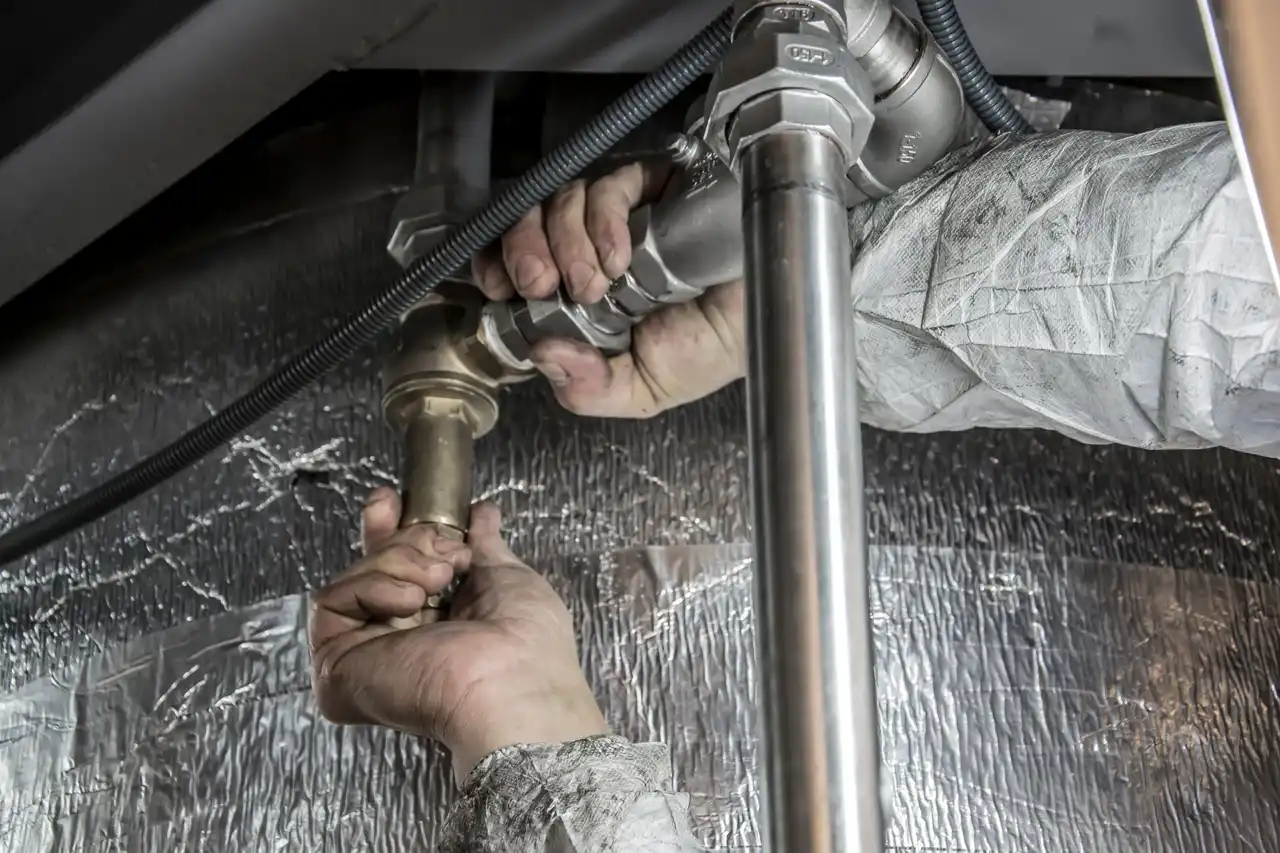
A short drive east. We often stack Yavapai Hills and Hassayampa calls on the same route.
Local coverage and detailsSoutheast of Hassayampa. Shared well-water challenges make this a natural extension of our route.
Local coverage and details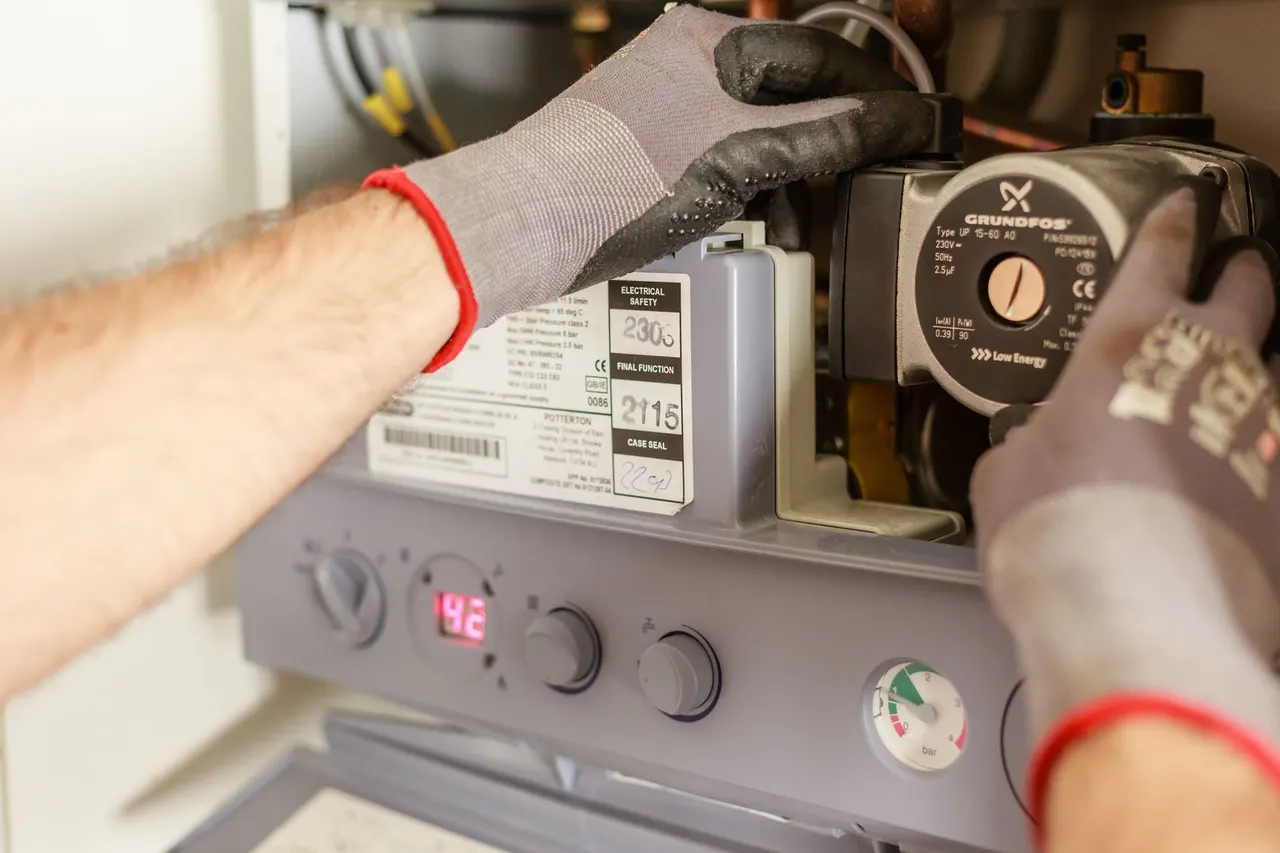
Northwest across the valley. Rural properties with similar well and freeze issues to Hassayampa.
Local coverage and detailsNot every plumber who says they do tankless actually understands well water. Ask these five questions before you let anyone touch your unit, and you will separate the specialists from the generalists.
On Hassayampa wells, hardness drives the whole diagnosis. A company that skips the water test is guessing, and you will pay for a second visit when the first fix does not hold.
Tankless work involves gas lines and venting, both of which are regulated. A licensed plumber carries the insurance and code knowledge to do it right and pull the permit when one is required.
If the answer is no, your same-day repair becomes a three-day wait. We stock common Rinnai, Navien and Rheem parts so most jobs finish in one visit.
Replacing a flow sensor without descaling the exchanger means the new sensor will scale up too. You want a company that treats the cause, not just the symptom.
A real warranty tells you the company stands behind the repair. Ask how long it covers labor and whether it applies to parts they supplied.
U.S. Environmental Protection Agency
North American Technician Excellence
Major tankless manufacturers
$2M general liability plus workers compensation
member
member
Most repairs run $180 to $450 in 2026, covering descaling, flow sensor cleaning, thermistor or igniter replacement. Jobs involving a heat exchanger or gas valve run $600 to $1,200. Well water pushes most Hassayampa jobs toward the higher end because scale removal takes longer. We give you the number before we start, and the estimate is free.
The best company is the one that tests your well water, carries parts for your brand, and has actually worked on rural Hassayampa systems. We have served this area since 2025, stock Rinnai, Navien and Rheem parts, and run 24/7 emergency dispatch. Ask any company whether they descale the heat exchanger or just swap sensors, and the answer will tell you a lot.
Yes. We run 24/7 emergency tankless water heater repair Hassayampa AZ homeowners can call for no hot water, leaks or freeze damage. Winter freeze calls get priority, and we keep a stocked truck on the Prescott side so we are not driving back for parts. Same-day slots are usually open before noon on weekdays.
It is the number one issue we see. Hassayampa wells carry dissolved calcium and magnesium that coat the heat exchanger and narrow the flow sensor passage. That causes error codes, short cycling and higher gas use. We recommend descaling every 10 to 12 months here, plus a whole-house water filter, instead of the 18 to 24 months city water allows.
Every 10 to 12 months on well water, compared to 18 to 24 months on treated city water. If you skip it, scale insulates the heat exchanger and the unit works harder for the same hot water. We run a descaling pump with manufacturer-approved solution through the exchanger and check the O-rings and gaskets while we are in there.
Not seeing your question? Our local team can help you understand urgency, scheduling and what to expect.
Ask the local team
Call us at +1 (321) 497-8646 or send a message and we will get back to you fast. We answer the phone during business hours and keep the emergency line open 24/7 for no-hot-water calls. Most Prescott jobs get a same-day window, and we confirm your appointment before we head out.