Focused arrival windows
Useful updates and clear arrival timing.
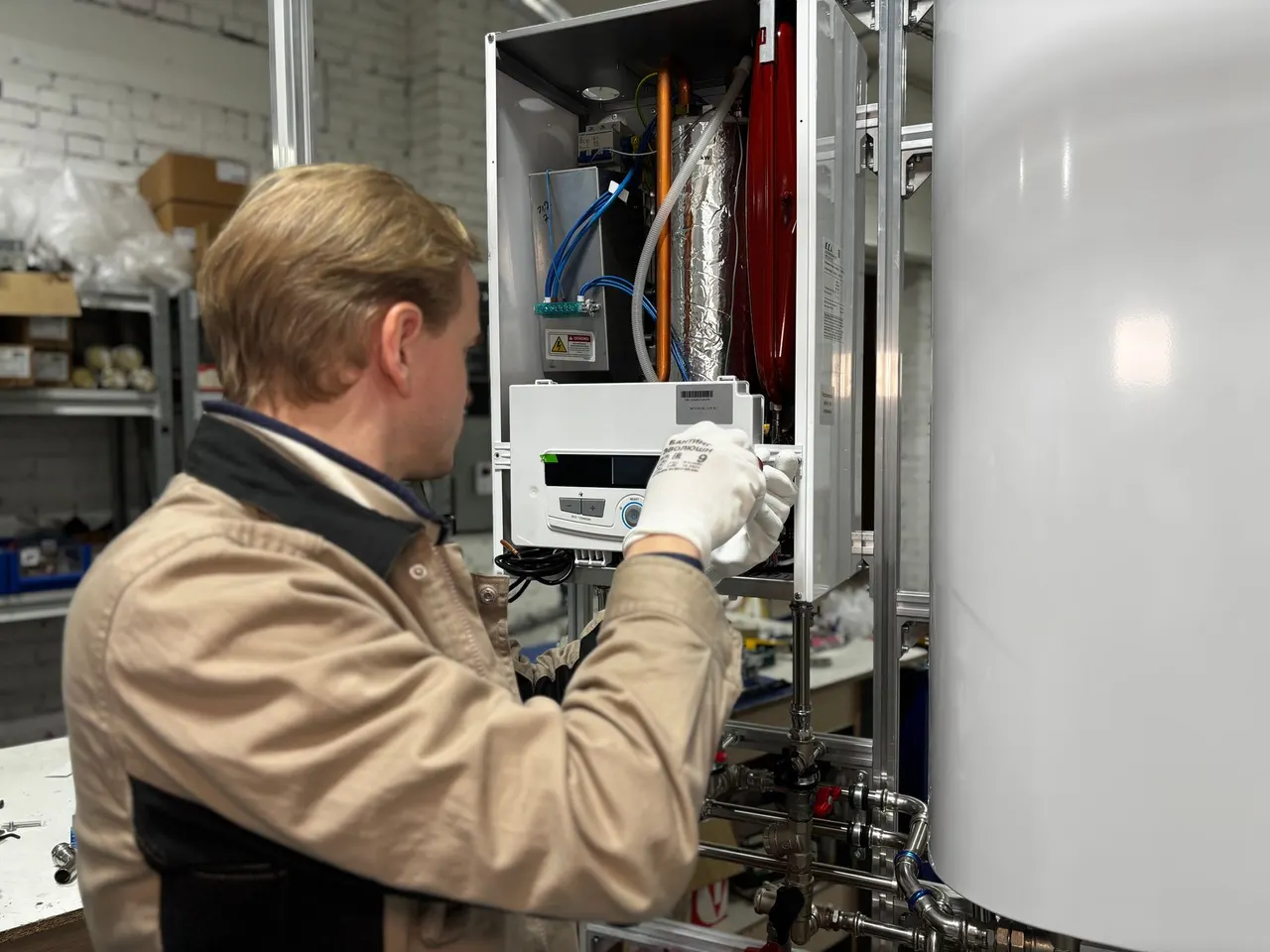
Tankless water heater maintenance Prescott AZ is the annual service that clears scale, checks the burner and flow sensor, and keeps your unit running like new. We handle Rinnai, Navien, Rheem, and Noritz systems across Yavapai County, from Downtown Prescott to Williamson Valley. If your hot water is fading or your unit is throwing error codes, book a tankless water heater descaling in Prescott AZ before the problem gets expensive.
Useful updates and clear arrival timing.
Review the approach and price before deciding.
Equipped vehicles and respectful cleanup.
Neighbors serving neighbors with follow-through.
Our standard tankless water heater maintenance Prescott AZ visit covers the full descaling cycle and a top-to-bottom inspection of the unit. Anything beyond that, like a failed gas valve or a cracked heat exchanger, gets quoted before we start work. Here is what every visit includes.
A 30 to 45 minute circulation with a descaling pump and food-grade descaling solution. We flush until the return line runs clear, then rinse with clean water and confirm flow is back to spec.
We pull the inline water filter, rinse or replace it, and check the housing O-rings for wear. A clogged filter is one of the most common causes of low water pressure at Prescott taps.
The burner assembly gets cleaned, the igniter gap gets measured, and we test ignition three times to confirm it fires clean. This is where most flame failure and ignition failure calls get resolved.
We test the flow sensor and thermistor with a multimeter, check the gas valve with a manometer, and verify the pressure relief valve opens at spec. Worn parts get replaced from truck stock.
We log outlet temperature at two flow rates and leave a written tag with the readings, the date, and any recommended follow-up. You know exactly what condition your unit is in when we leave.
Share what is happening and receive a clear next step from the local team.
Tankless water heater maintenance Prescott AZ is the scheduled service that flushes mineral scale from the heat exchanger, inspects the burner assembly and igniter, tests the flow sensor, and checks the gas valve and vent kit. We run a descaling pump with a food-grade descaling solution through the unit for 30 to 45 minutes, then flush with clean water and verify outlet temperature. Most Prescott homes need it once a year because our water runs hard and the heat exchanger builds scale fast.
Prescott's water carries a lot of calcium, and our high-desert temperature swings push tankless units harder than coastal climates do. If you have never had a tankless water heater flush in Prescott, scale can cut flow and trigger a cold water sandwich or short cycling within two years. We also check the pressure relief valve, thermostatic mixing valve, and O-rings and gaskets while we are in there. Annual tankless water heater maintenance Prescott catches small faults before they become no-hot-water calls.
We start by reading the error code history and testing inlet water pressure with a gauge. A quick visual on the vent kit and gas valve tells us whether anything outside the unit is causing the problem. This takes about 10 minutes.
We shut the isolation valves, connect a descaling pump and flush kit, and circulate descaling solution through the heat exchanger for 30 to 45 minutes. You will see the return line run cloudy at first, then clear. That is the scale coming out.
While the unit is open, we pull and inspect the water filter, check O-rings and gaskets for wear, and test the thermistor and flow sensor with a multimeter. Worn parts get swapped on the spot from the parts we carry on the truck.
We clean the burner assembly, check the igniter gap, and confirm the gas valve holds pressure with a manometer. A gas leak detector goes over every joint before we button the unit back up. This step is where most ignition failure calls get solved.
We fire the unit, run hot water at the nearest fixture, and log outlet temperature at two flow rates. You get a written tag with the numbers, the date, and what we found. If anything needs a follow-up part, we tell you before we leave the driveway.
Circulates descaling solution through the heat exchanger at a controlled rate. We run it 30 to 45 minutes, then rinse with clean water until the return line runs clear.
Tests the flow sensor, thermistor, and igniter for resistance and continuity. A drifting sensor reads out of spec long before it fails outright, so we catch it at maintenance.
Measures gas supply pressure at the valve inlet and outlet. Low or high pressure causes ignition failure and flame failure, and it is the first thing we check on a lockout call.
Sniffs every joint on the gas line after we reassemble the unit. Required on any gas-side repair and standard on every maintenance visit we run.
Reads inlet pressure at the unit and at the nearest fixture. High pressure wears O-rings and gaskets, and low pressure points to a clogged water filter or scale in the exchanger.
Used to break isolation valves loose and to set the mixing valve so outlet temperature holds steady. A correctly set valve is what kills the cold water sandwich complaint.
We follow the factory fault tree for Rinnai, Navien, and Rheem units instead of guessing. That means reading stored error codes first, then testing components in order. It cuts diagnostic time and avoids replacing parts that are still good.
Prescott water is hard enough that a 12 month interval is the minimum. Homes on well water or with high usage get moved to 10 months. We track the interval on your service tag so the next visit lands on time.
Every gas repair follows local plumbing permit requirements and OSHA safety practice. We pressure-test the line, leak-check every joint, and verify the vent kit is clear before the unit goes back in service.
We log inlet and outlet temperatures, flow readings, and any parts replaced on a tag left at the unit. That record protects your manufacturer warranty and gives the next technician a real baseline.
We run a full descaling cycle, clean the water filter, and test the flow sensor. If the burner shows soot or the igniter gap has opened up, we correct it in the same visit. Flow returns to spec, outlet temperature holds steady, and the unit stops short cycling on cold mornings.
We do a baseline service: descale, inspect the burner and vent kit, test the gas valve, and log the readings. You get a clear picture of the unit's condition and a schedule going forward. You know exactly what you own, what it needs, and when the next service is due.
We service the unit in October or early November, verify the condensate line is clear, and check the vent kit for blockage. If the unit is on an exterior wall, we confirm freeze protection is working. The unit fires reliably through the cold months instead of locking out on a 20-degree morning.
We read the fault history, test the flow sensor, thermistor, and gas valve, and descale the exchanger. If the repair is more than half the cost of new, we tell you straight. You get a working unit or an honest recommendation, not a sales pitch.
Prescott sits at about 5,400 feet, and the swing between summer heat and hard winter freezes works tankless units harder than most climates. Our water carries heavy calcium, so scale builds in the heat exchanger faster than the manufacturer's national average assumes. That is why we push a 10 to 12 month descaling interval here instead of the 18 month figure you see in generic manuals. Building stock matters too: many Downtown Prescott and Hassayampa homes have the unit mounted in a tight closet or on an exterior wall, which changes how we run the flush lines and how we check freeze protection. In Prescott Lakes and Yavapai Hills, we see more newer builds with recirculation loops, and those need the pump set differently during descaling. If you have been searching for the best tankless water heater maintenance Prescott has to offer, ask what interval the company recommends for hard water. The answer tells you whether they actually work on tankless units in this climate.
Older homes here often have the tankless unit in a tight utility closet with limited clearance. We bring a compact flush kit and flexible lines to work in the space without pulling the unit.
Elevated lots see colder overnight temps, so condensate lines freeze more often. We check the line and the freeze protection setting on every winter visit.
Newer builds with recirculation loops need the descaling pump set to a lower flow rate. We adjust the flush to match the loop so the exchanger gets full coverage.
A mix of older and renovated homes, some on shared wells. Water chemistry varies block to block, so we test hardness at the unit before setting your service interval.
Well water out here runs harder than city water. Most units here go on a 10 month descaling schedule, and we check the water filter at every visit.
Scale builds in the heat exchanger faster than the national average, cutting flow and forcing the burner to run longer. Annual descaling is the minimum here, and well-water homes need it more often.
A frozen condensate line shuts the unit down with a lockout code. We clear and insulate the line during fall service so the heater keeps running through January cold snaps.
At 5,400 feet the air is thinner, and some units need the gas valve adjusted for altitude. We check combustion during service so the burner runs clean instead of sooting up.
Limited clearance changes how we run the flush and how we vent the unit. We plan the service around the install so we are not pulling the heater off the wall for a routine descaling.
A Prescott Lakes homeowner had a Navien NPE locking out with an ignition failure code every cold morning. The unit had never been descaled in four years, and outlet temperature was dropping 15 degrees during a shower.
We descaled the exchanger, cleaned the burner assembly, and replaced a worn igniter and flow sensor. Outlet temperature now holds within 2 degrees at two flow rates, and the unit has run eight months without a lockout.
Maintenance: We put this unit on a 10 month descaling schedule and check the igniter gap at every visit. The homeowner logs the service tag date so the next call lands on time.
A Downtown Prescott home had a Rinnai unit giving a cold burst mid-shower for over a year. The water filter was clogged and the thermostatic mixing valve was set wrong, so the unit short cycled on every draw.
We replaced the water filter, descaled the heat exchanger, and reset the mixing valve. Flow at the nearest fixture went from 2.1 to 3.4 gallons per minute, and the cold sandwich stopped the same day.
Maintenance: The unit now gets a yearly flush and a filter check. We noted the correct valve setting on the service tag so it does not get bumped during future work.
A Williamson Valley home on well water had a Rheem unit running 20 degrees below setpoint with low water pressure at every tap. Scale had built up heavily and the gas valve was reading low on the manometer.
We ran two descaling cycles to clear the heavy scale, adjusted the gas valve to spec, and replaced the O-rings and gaskets on the isolation valves. Outlet temperature came back to setpoint and gas usage dropped noticeably.
Maintenance: This unit moved to a 10 month descaling interval with a water hardness test at each visit. The homeowner checks the filter monthly and calls us if flow drops.
Most tankless complaints in Prescott trace back to scale, a dirty burner, or a sensor that has drifted out of spec. Catching them at a maintenance visit is far cheaper than an emergency call in January.
You get a burst of cold mid-shower and the unit never holds temperature. Left alone, the scale layer thickens and the exchanger eventually overheats and cracks. We descale the heat exchanger, test the flow sensor, and set the thermostatic mixing valve so outlet temperature holds steady. Most customers see the sandwich problem gone the same day.
The unit locks out and you are back to cold showers until it resets. Repeated lockouts stress the igniter and gas valve, and each failed ignition shortens component life. We read the fault history, clean the burner assembly, test the igniter with a multimeter, and check gas pressure with a manometer. If the gas valve is failing, we swap it from truck stock.
Prescott water leaves calcium behind in the exchanger, cutting flow and forcing the burner to run longer. Efficiency drops and gas bills climb before you notice anything at the tap. Our tankless water heater descaling Prescott AZ service dissolves the scale with a pump and flush kit, then rinses clean. We recommend a 10 to 12 month interval based on your water source.
A dripping O-ring or gasket turns into a puddle under the unit, and a frozen condensate line shuts the heater down on a cold Prescott night. Both cause water damage if ignored. We inspect every O-ring and gasket during service, tighten fittings, and check the condensate path. If you have had a freeze event, we test the exchanger for cracks before restarting the unit.
Once a year, and every 10 to 12 months if you are on Prescott city water. Our water runs hard, so scale builds faster here than in softer-water regions. Homes on well water in Williamson Valley or Hassayampa should book every 10 months. Skipping a year is usually when error codes and cold water sandwich complaints start.
Most descaling calls in Prescott run $180 to $320 in 2026, depending on unit access and how much scale has built up. Units mounted in tight closets or behind finished walls take longer. If we find a failed flow sensor or igniter during the flush, that repair gets quoted separately before we proceed.
Yes. A $200 to $300 annual service protects a unit that costs $1,800 to $3,500 to replace. It also keeps your efficiency rating intact, which matters when the burner runs daily through Prescott's cool winters. The math favors maintenance every time, especially past year five of ownership.
A full flush includes descaling the heat exchanger with a pump and flush kit, cleaning the water filter, inspecting the burner assembly and igniter, testing the flow sensor and thermistor, checking the gas valve and vent kit, and verifying outlet temperature at two flow rates. We leave a service tag with the readings.
Not seeing your question? Our local team can help you understand urgency, scheduling and what to expect.
Ask the local team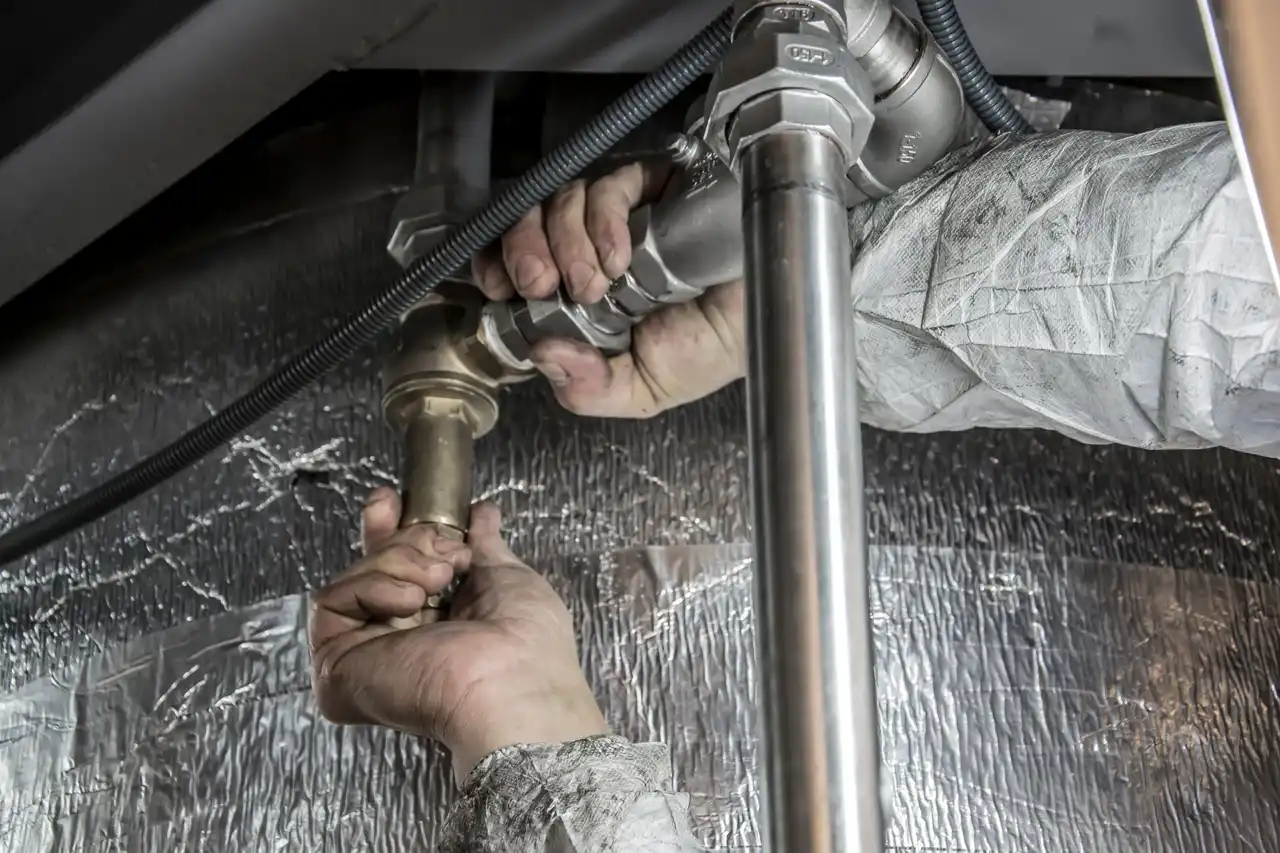
If your unit is past saving, we install Rinnai, Navien, Rheem, and Noritz systems sized to your Prescott home's demand. We handle the vent kit, gas line, and local plumbing permit so the install passes inspection the first time.
View service
When repair costs climb past half the price of new, replacement makes more sense. We swap the unit, reuse what we can from the existing vent and gas run, and haul the old heater away. Most swaps finish in one day.
View service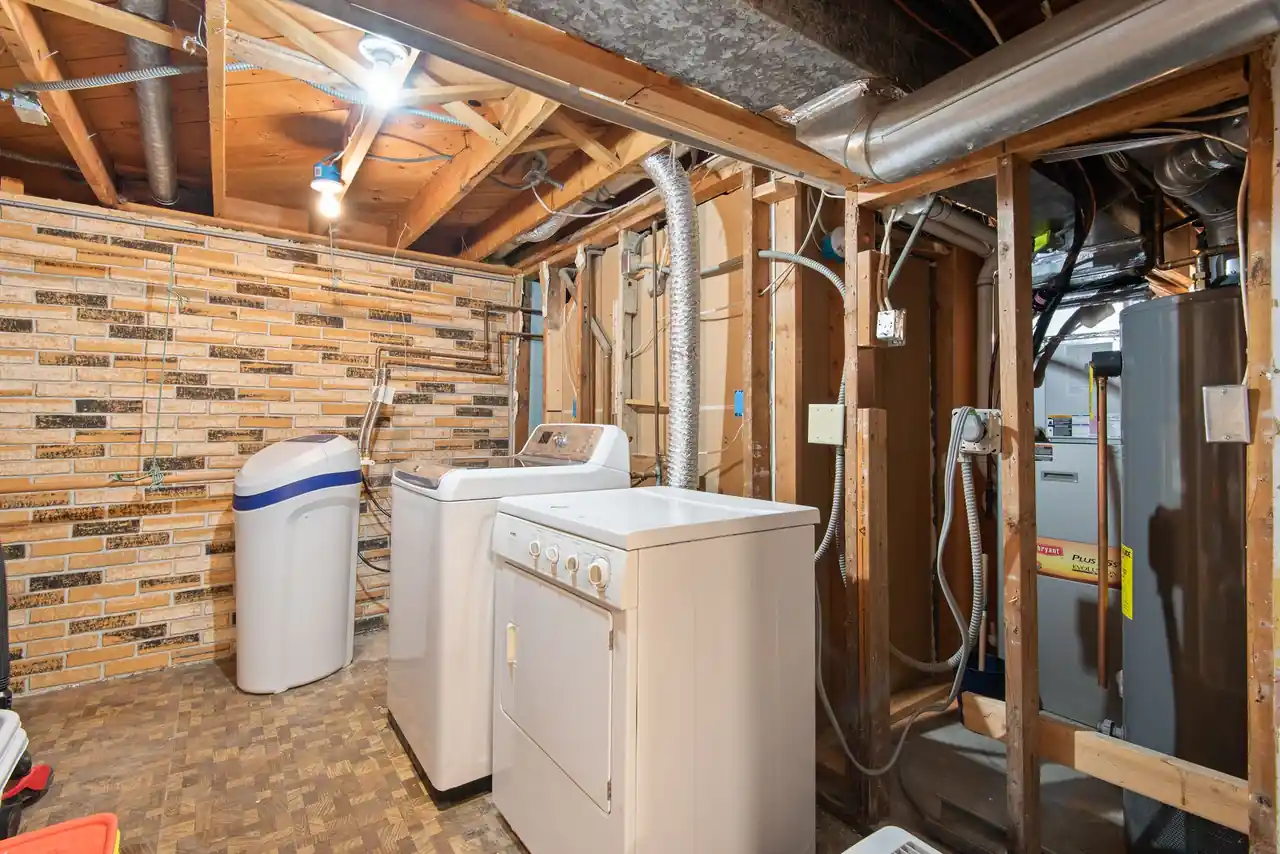
Call us at +1 (321) 497-8646 or send a message and we will get back to you fast. We answer the phone during business hours and keep the emergency line open 24/7 for no-hot-water calls. Most Prescott jobs get a same-day window, and we confirm your appointment before we head out.