Focused arrival windows
Useful updates and clear arrival timing.
Tankless water heater installation Prescott AZ means ripping out the old tank and mounting a wall-hung unit sized for your house, your water hardness, and your gas line. We handle gas tankless water heater installation Prescott and electric tankless water heater installation Prescott for homeowners across Yavapai County. If your tank is 10-plus years old or you keep running out of hot water, call us at +1 321-497-8646.
Useful updates and clear arrival timing.
Review the approach and price before deciding.
Equipped vehicles and respectful cleanup.
Neighbors serving neighbors with follow-through.
Every install starts with a flat quote and ends with a working unit and a clean floor. Here is what is covered on a standard Prescott job, and what gets quoted separately if your home needs it.
We supply and hang the tankless unit on a rated wall, level and clear of the vent termination. Brackets, O-rings, and gaskets are included. You pick the brand tier, and we confirm the model matches your flow rate and gas supply.
For gas units we connect to the existing supply, test with a manometer and gas leak detector, and confirm the gas valve and burner assembly fire clean. Electric units get a dedicated 240-volt circuit and a properly sized breaker.
We install the correct vent kit for your unit and route it to code, with proper clearance from windows and doors. Vent blockage is a leading cause of ignition failure, so we test draft before we call the job done.
Hot and cold lines get cut, soldered, and pressure-tested. We install isolation valves for future flushing and set the thermostatic mixing valve so the tap temperature stays steady at 120F even when inlet water drops in winter.
We pull the local plumbing permit, meet the inspector, and run every fixture to check for short cycling. You get a walkthrough on the water filter, the flush schedule, and what error codes to watch for before we pack up.
Share what is happening and receive a clear next step from the local team.
Tankless water heater installation Prescott AZ is the trade of replacing a storage tank with a wall-mounted heat exchanger that fires only when you open a hot tap. We run a dedicated gas line or a 240-volt circuit, mount the unit on a rated wall, cut and solder the water connections, install the vent kit, and set the thermostatic mixing valve so the output stays steady. A Rinnai or Navien unit takes two to four hours to hang; gas line upgrades and venting add time.
Prescott sits at 5,400 feet, so winter inlet water drops into the low 40s and a tankless unit has to work harder to hit 120F at the tap. That is why we size by ground-water temperature, not by the sticker on the box. If you are weighing tankless water heater replacement Prescott AZ against a repair, we measure flow rate, check the heat exchanger for scale, and tell you straight which way the numbers fall.
We ask how many bathrooms, how many people, and whether you have gas or electric. That tells us the flow rate and BTU load before we ever see the house. You get a ballpark range on the call, usually in under 10 minutes.
A licensed plumber checks gas meter capacity, vent path, water pressure with a gauge, and wall framing. We look for scale buildup, a failing pressure relief valve, and whether the existing vent can be reused. This takes 30 to 45 minutes and the estimate is free.
We pull the local plumbing permit and schedule the inspection. Gas line upsizing, a new 3/4-inch run, or a dedicated 240-volt circuit gets done first. Most Prescott jobs need one permit and one inspection, and we handle both.
We shut off gas and water, remove the old tank, mount the new unit, and make the connections. A gas leak detector and manometer confirm the supply is tight and the pressure is right. A standard swap runs three to five hours; a gas line upgrade adds a day.
We fire the unit, set the thermostatic mixing valve to 120F, and run every fixture to check for short cycling. A multimeter verifies the igniter and flame sensor. You get a walkthrough on the filter and the flush schedule before we leave.
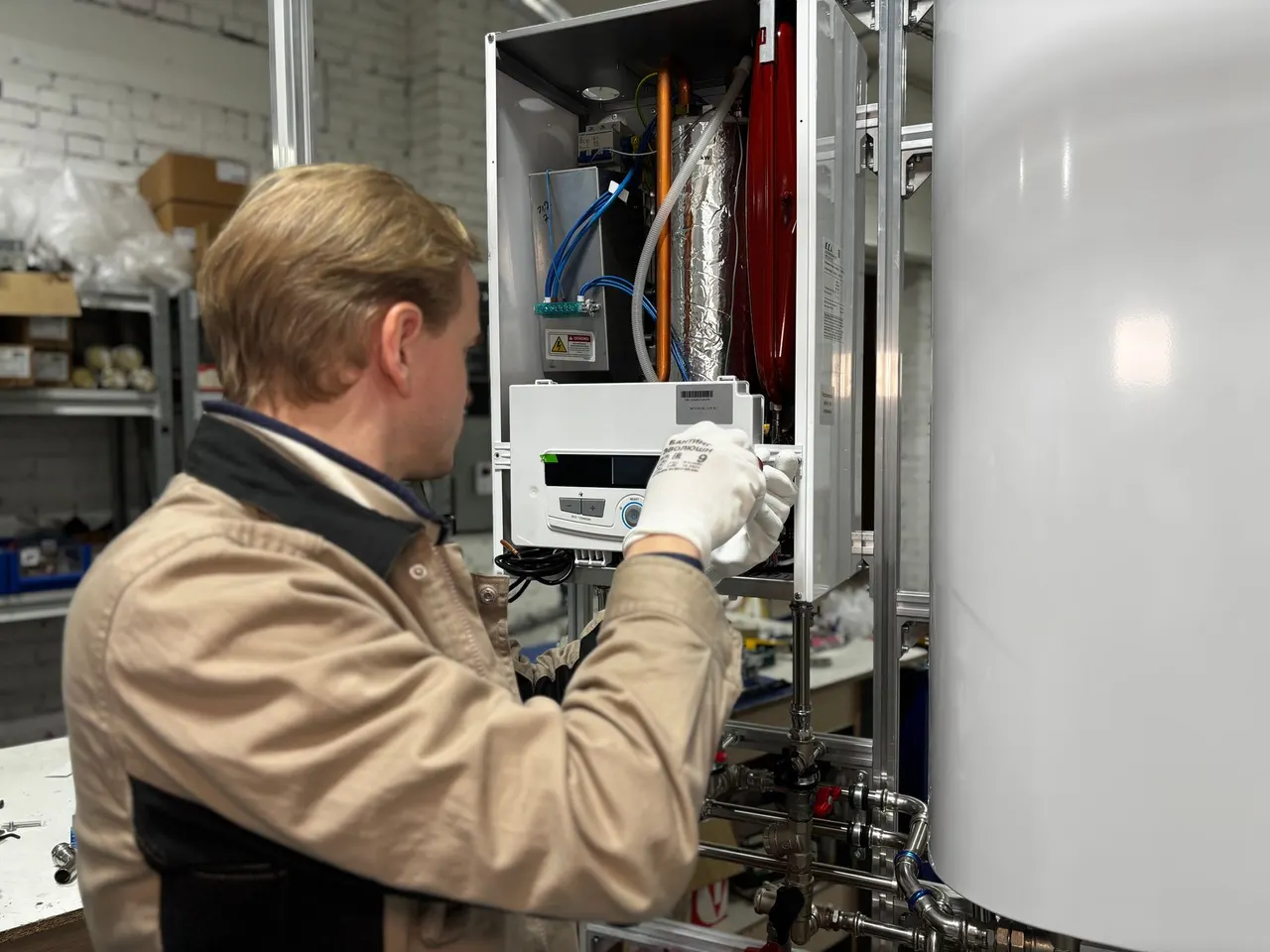
Circulates descaling solution through the heat exchanger to strip mineral scale without pulling the unit off the wall.
Confirms gas supply pressure at the valve and finds leaks at every connection before we light the burner.
Tests the igniter, flame sensor, thermistor, and flow sensor so we replace the failed part, not the whole unit.
Reads static and dynamic pressure to catch low water pressure or a failing pressure relief valve before it damages the unit.
Breaks and remakes gas and water connections and sets a steady 120F output at the tap.
At 5,400 feet, gas units derate and inlet water runs cold in winter. We size by ground-water temperature and BTU load at altitude, not by the box label, so the unit keeps up on the coldest morning of the year.
Every unit gets commissioned to the manufacturer's spec, including gas pressure, vent draft, and flow rate. That startup sheet is what protects your warranty if a part fails later.
Hard Yavapai County water deposits scale fast. We flush with a descaling pump once a year, which is the single biggest factor in reaching the 15 to 20 year lifespan these units are rated for.
We pull the local plumbing permit and meet the inspector on site. Venting, gas valve sizing, and pressure relief valve placement all get verified, which keeps a future home sale from stalling.
We swap it for a wall-hung tankless unit sized to your bathrooms and gas supply, pull the permit, and haul the old tank away. Most swaps finish in a single visit. You get endless hot water, 20 to 30 percent lower water-heating gas use, and no tank sitting on the floor waiting to fail.
We mount a Rinnai or Navien unit on an exterior or garage wall, route the vent kit to code, and reuse the existing gas run where capacity allows. You reclaim the closet square footage and get a code-correct, permitted install that passes inspection.
We diagnose the flow sensor, thermistor, and heat exchanger, descale the unit, and repair what is failing. If the exchanger is cracked, we quote a replacement. Steady hot water at every fixture and a clear answer on repair versus replace, with no guesswork.
We install isolation valves if they are missing, flush with a descaling pump, and set up an annual maintenance plan matched to your water hardness. Longer unit life, stable flow, and a flush schedule that keeps the heat exchanger clean year after year.
Prescott is not Phoenix. At 5,400 feet, winter inlet water drops into the low 40s, so a tankless unit has to raise water 80 degrees instead of 60. That changes the sizing math, and it is why we measure ground-water temperature before quoting a model. Hard water across Yavapai County also means scale builds faster than in softer-water cities, so we install isolation valves on every job and set up an annual flush. Older Downtown Prescott homes often have undersized gas lines and tight mechanical closets, while newer builds in Prescott Lakes and Yavapai Hills usually have capacity to spare. For tankless water heater replacement in Prescott AZ, we reuse the existing vent and gas run when code allows, which keeps the job to a few hours. If you want the best tankless water heater installation Prescott has to offer, it starts with sizing done for this altitude, not a generic chart.
Older homes with small mechanical closets and 1/2-inch gas lines. We often upsize the gas run and mount the unit on an exterior wall.
Hillside builds with long vent runs and elevation exposure. Vent termination and freeze protection get extra attention here.
Newer construction with modern gas capacity. Most swaps are straightforward and finish in a single visit.
Mixed housing stock where we frequently find undersized venting from older installs that needs correcting to code.
Well water and rural gas service. We test hardness and add isolation valves so descaling stays easy.
A tankless unit must raise water roughly 80 degrees to hit 120F at the tap, so we size up the flow rate to avoid a cold water sandwich on January mornings.
Scale builds inside the heat exchanger faster than in softer-water cities. Annual descaling with a flush kit protects the unit and keeps flow steady.
Gas units lose capacity at 5,400 feet. We account for the derate in sizing so the burner still meets demand on the coldest day of the year.
Exposed supply lines and condensate drains can freeze in a cold snap. We insulate runs and route drains to prevent winter shutdowns.
A family of five ran out of hot water every morning. The 11-year-old tank was rumbling, the base was damp, and the third shower always went cold. Gas use was high because the tank reheated all night in a cold garage.
We installed a Navien condensing unit sized for the altitude, upsized the gas line, and set the mixing valve to 120F. All three showers now run hot at once, and the water-heating portion of the gas bill dropped about 25 percent.
Maintenance: Flush the heat exchanger once a year with a descaling pump and check the water filter every six months. That schedule is what gets a condensing unit to its 20-year mark in hard Prescott water.
A 1920s home had a leaking tank crammed into a closet off the kitchen. The gas line was 1/2-inch and undersized, and the homeowner wanted the closet back for storage. Two prior quotes suggested a bigger tank.
We hung a Rinnai unit on the garage wall, ran a 3/4-inch gas line, and reused the existing vent path. The closet is now pantry space, the permit passed inspection, and the install cost less than the tank replacement quotes.
Maintenance: Annual descaling and a yearly vent inspection. We also showed the homeowner how to read error codes so a minor fault does not turn into an emergency call.
A three-year-old tankless unit was short cycling and throwing error codes. Well water had scaled the heat exchanger, the flow sensor was reading low, and the far bathroom had weak pressure. The homeowner was ready to replace the whole unit.
We flushed the exchanger with descaling solution, replaced the flow sensor and O-rings, and installed isolation valves that were missing. Flow came back to 7 gallons per minute and the error codes cleared. A repair, not a $2,500 replacement.
Maintenance: Descale every 12 months on well water, and test hardness annually. We set a reminder schedule so the next flush happens before scale takes hold again.
Tankless units fail in predictable ways, and Prescott's cold inlet water and hard supply make some of them worse. Here is what we see most and how we handle it.
You get a burst of cold mid-shower, which usually means a failing flow sensor, a scaled heat exchanger, or a unit undersized for Prescott's winter inlet temperature. Ignoring it leads to full ignition failure. We test the flow sensor with a multimeter, check the thermistor reading, and descale the heat exchanger with a flush kit. If the unit is simply too small for the house, we quote a correctly sized replacement instead of throwing parts at it.
A unit that will not light leaves the whole house without hot water. Common causes are a blocked vent, a dirty flame sensor, or a gas supply issue that a manometer will catch in minutes. We pull the error code, inspect the vent for blockage, clean or replace the igniter and flame sensor, and verify gas pressure at the valve. Most ignition failures are fixed on the first visit because we carry the common parts.
Yavapai County water leaves mineral scale inside the heat exchanger. Flow drops, the unit short cycles, and efficiency falls. Left alone, scale cuts unit life by years and can crack the exchanger. We run a descaling pump with descaling solution through the isolation valves, flush the water filter, and set you on an annual maintenance schedule. That one-hour service is the cheapest way to protect a $2,000 unit.
A water leak near the unit or a frozen condensate line will shut a tankless system down fast. In a January cold snap, frozen pipes at an exterior wall are the usual culprit. We find the leak, replace the O-rings or gaskets, and insulate the exposed run. For frozen lines we thaw safely, check the pressure relief valve, and add freeze protection so the next cold snap does not repeat the call.
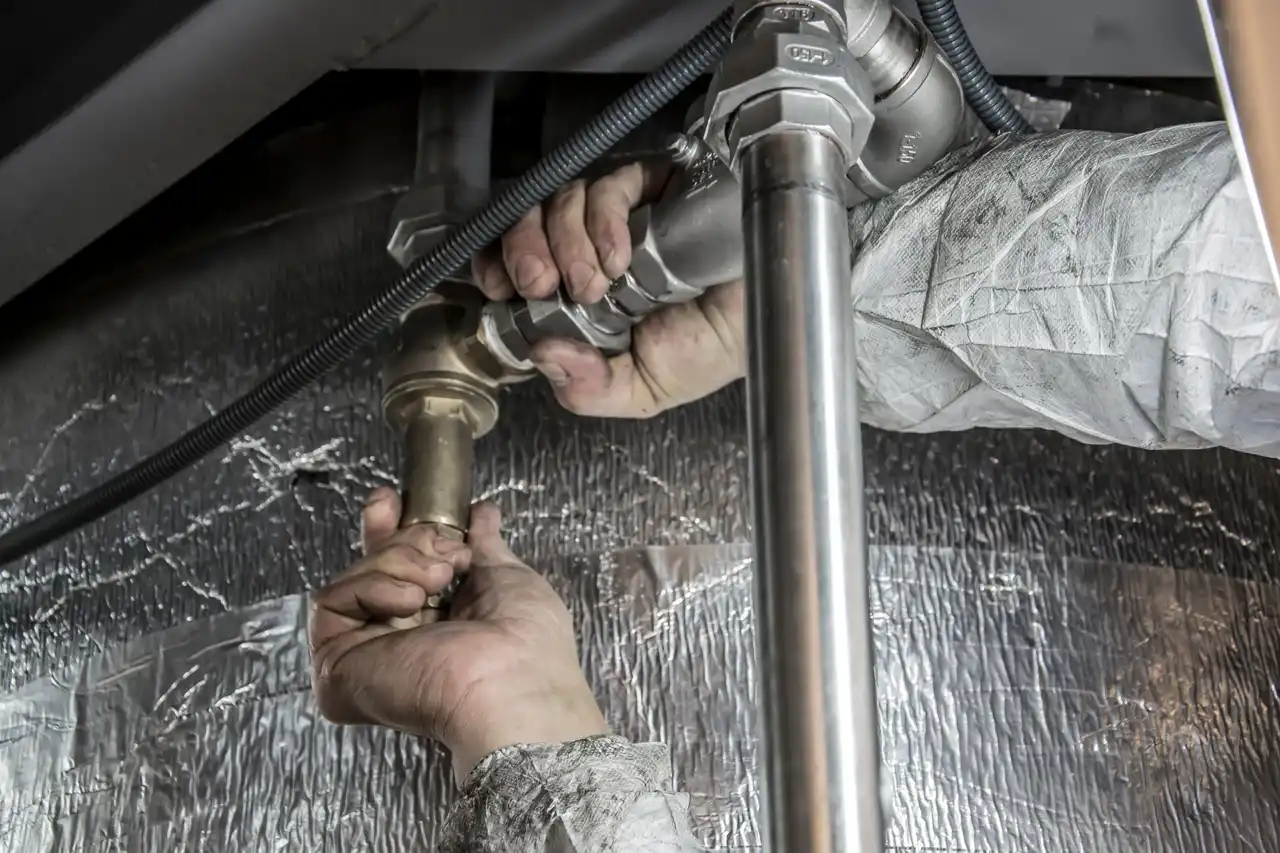
We have been installing and servicing tankless systems in Prescott since 2025, and our techs hold manufacturer certification on Rinnai, Navien, Rheem, and Noritz platforms. Every installer works under a state-licensed plumbing contractor and follows EPA Section 608 and OSHA safety rules on gas work. We carry a gas leak detector, manometer, and water pressure gauge on every truck, so we diagnose on the first visit instead of guessing. In a town where inlet water hits the low 40s in January, sizing experience matters more than brand loyalty.
Most standard swaps run $1,800 to $3,500 installed in 2026, including the unit, permit, and labor. Gas line upsizing, a new vent run, or a 240-volt circuit for an electric unit adds $400 to $1,500. High-altitude sizing and hard-water treatment can nudge it up. We quote flat before we start.
A straight tank-to-tankless swap takes three to five hours. If we need to upsize the gas line or run a new vent, plan on a full day plus a return trip for the inspection. Electric installs usually finish in four to six hours because the circuit work is simpler.
Yes. Prescott and Yavapai County require a plumbing permit for a water heater replacement, and the work gets inspected. We pull the permit, schedule the inspection, and meet the inspector on site. An unpermitted install can block a home sale, so it is worth doing right the first time.
If your tank is 10 years or older, replace it with tankless. If you already have a tankless unit throwing error codes or short cycling, a repair may still make sense. We check the heat exchanger for scale and measure flow before recommending either path.
Not seeing your question? Our local team can help you understand urgency, scheduling and what to expect.
Ask the local team
Annual descaling with a flush kit and descaling solution keeps the heat exchanger clean and protects your warranty. In Prescott's hard water, skipping a year can cut unit life by three to five years. We flush, inspect the water filter, and test the thermistor.
View service
When a unit is beyond repair, we swap it for a correctly sized Rinnai, Navien, or Rheem model. We reuse the vent and gas line when code allows, which keeps the job to a few hours and the cost well below a full new install.
View serviceCall us at +1 (321) 497-8646 or send a message and we will get back to you fast. We answer the phone during business hours and keep the emergency line open 24/7 for no-hot-water calls. Most Prescott jobs get a same-day window, and we confirm your appointment before we head out.